There’s a particular kind of excitement that comes with finding a band that refuses to stay in one lane. One minute, you’re settling into a groove; the next, a guitar line takes a psychedelic detour or a vocal turns a song into something unexpectedly soulful.
That’s the appeal of Hallaballoo, a Minneapolis-based collective whose music brings together funk, indie rock, psychedelic textures, R&B, and the loose energy of a really good jam session.
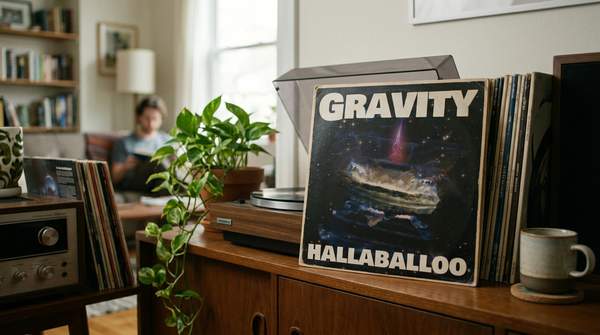
The group has been building its sound for years, but its 2026 album, Gravity, gives curious listeners a fresh place to jump in. Released on October 2, the nine-track record has also given independent music writers plenty to talk about. Reviews have picked up on the band’s range, its chemistry, and the way it balances improvisational freedom with songs that still have a clear shape. For anyone just discovering Hallaballoo, that combination is a pretty compelling invitation.
A sound that keeps changing direction
Hallaballoo’s music is difficult to pin down with one genre label, and that’s part of the fun. The band draws on melodic rock, funk, indie, psychedelic rock, and R&B, but those influences don’t feel like boxes being ticked. They work more like ingredients that can come forward or recede depending on what a song needs.
That variety comes through on Gravity. “Just Sit Back” opens the album with an easy southern-rock swagger, while “Undercover Bitch” brings a tougher, punchier edge. “It Isn’t Easy” leans into a more old-school feel, with horns adding colour to the arrangement. Later, “Ain’t No Big Wup” loosens things up with a playful, groove-led feel, and “Starry Skies” takes its time, closing the record on a more spacious and soulful note.
It’s the sort of album that makes you curious about what the next track will do. There’s enough consistency to make it feel like one band’s world, but not so much repetition that the songs blur together.
What independent reviewers are noticing
The response to Hallaballoo’s recent releases has highlighted several sides of the group. In its October 6, 2026 review of Gravity, Music On The Rox described a record moving through southern rock, funk, melodic psychedelia, and soulful vocals. The review also drew attention to the shared history between the musicians, which comes through in the arrangements and the way the tracks move.
That chemistry is a recurring point in coverage of the album. Dulaxi’s October 22 review focused on the collaborative nature of the songwriting and the group’s willingness to let ideas develop naturally. HailTunes, writing on October 13, also emphasized the relationship between structured songs and spontaneous musical decisions. Those observations get at something central to Hallaballoo: the music can feel relaxed and exploratory without losing its direction.
The band’s single “You Will Break” has attracted attention for a different reason. The Other Side Reviews, in a July 8, 2026 review, highlighted the track’s shift toward softer alternative rock, its melodic guitar work, and Kylie Krick’s haunting vocal performance. The review also noted the emotional vulnerability behind the song, which deals with the risks of falling in love and running away from it.
Taken together, these responses suggest that Hallaballoo’s appeal isn’t just about musicians stretching out. It’s also about the feeling and storytelling that hold the music together. A long instrumental passage can be exciting, but a strong melody or an affecting vocal gives you something to carry away after the song ends.
Gravity makes a strong introduction
A new listener could do much worse than start with Gravity. The album gives a clear sense of Hallaballoo’s range without requiring any background knowledge of the band. Its nine tracks move between different moods and approaches, while the sequencing gives the record a natural sense of movement.
“Undercover Bitch” is one of the more immediate tracks. It was the first song recorded by the current lineup and features lyrics by Nick Murray alongside guest vocals from Kaity Heart. The production credits add another interesting detail: James Gross produced the track, Ron Nevison mixed it, and Craig Holets mastered it. Those contributions help shape a recording that has a strong edge without losing the energy of the performance.
The title track offers a different kind of pull, with a more reflective mood and a gradual sense of development. “Dirty Fingers” puts the collective’s instrumental imagination front and centre, while “Inches Away” brings a more urgent pace. Then “Starry Skies” lets the album breathe. Its longer running time gives the arrangement room to unfold, and its soulful, blues-influenced vocal feel makes it a satisfying closing track.
There’s no need to approach the album as a test of musical knowledge. Just follow the shifts. If you’re drawn to the groove of one track, the next might surprise you with a different texture or a more direct melodic hook.
The studio setting is part of the story
Gravity was recorded at Pachyderm Studios in Cannon Falls, Minnesota, a space with a notable place in alternative music history. Nirvana recorded In Utero there, as did PJ Harvey for Rid of Me. That history makes the setting interesting, but the more important point is what Hallaballoo brought into the room: a group of musicians who know how to listen and respond to one another.
The album’s recording process reflected that mix of preparation and instinct. Some songs had more defined arrangements, while others took shape through spontaneous decisions in the studio. The band has described recording instrumental foundations first and adding vocals later, leaving space for lyrical ideas and new directions to emerge. That approach suits a collective whose roots are in informal jam sessions but whose songs are built to be revisited.
It also helps explain why the record feels varied without sounding disconnected. The musicians can let a section open up, but there’s still a song underneath it. That balance is not automatic; it comes from experience and trust.
A good time to discover Hallaballoo
Hallaballoo’s story began with friends playing together in basements around Minneapolis in the early 2000s. Those sessions developed into rehearsals, gigs, and touring. The band says it has played more than 500 shows across the United States, a substantial live history that helps put the confidence and interplay on its recordings into context.
That background matters, but new listeners don’t need to know the whole story before pressing play. Gravity is a welcoming entry point, and the recent reviews offer a useful guide to the qualities people are responding to: musical range, strong performances, collaborative energy, and songwriting that gives the experimentation a centre.
If you enjoy records that can move from a deep groove to a guitar-driven rush and then settle into something thoughtful, Hallaballoo is worth a spot in your listening queue. Start with Gravity, then explore “You Will Break” and the earlier releases. There’s a lot happening across the band’s catalogue, and discovering those shifts is part of the reward.