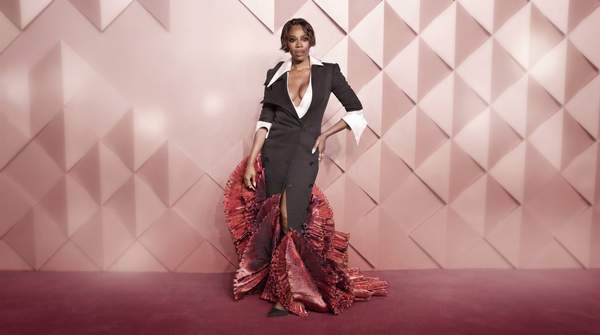
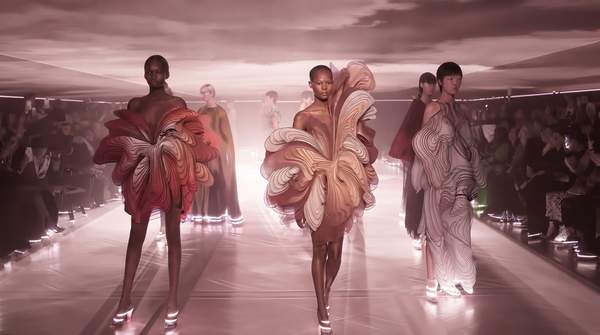
The red carpet, a global stage for sartorial spectacle, has witnessed a profound and fascinating shift in recent years: the embrace of vintage and archival fashion by some of the world's most influential celebrities. This isn't merely a fleeting trend; it is, I believe, a multifaceted movement driven by a compelling blend of environmental consciousness, the quest for unparalleled individuality, and a deep reverence for fashion history. As a lead journalist observing this evolution, I find that these deliberate choices resonate far beyond the flashbulbs, significantly influencing consumer perceptions and reshaping the luxury market in tangible ways.
The Resurgence of Vintage on the Red Carpet
In recent years, we have seen celebrities embrace vintage fashion like never before, flocking to past designer collections for some of their most significant red-carpet moments. This phenomenon, as *Harper's BAZAAR UK* observed, has reignited conversation and interest in wearing archival pieces. It reflects a broader societal questioning of overconsumption and a rediscovery of the inherent value in what already exists, a shift that *Klat Magazine* noted is increasingly showing up on the red carpet through vintage pieces, archive pulls, and reimagined classics.
This growing obsession with archival fashion has intensified demand, blurring the lines between reviving fashion history and exploiting it for contemporary spectacle, as Clementina Jackson reported for *Marie Claire UK*. However, the underlying motivation is often profound. Amelia Crook, writing for *Misplaced Style*, highlighted the "transformative effect" of placing a contemporary celebrity in an iconic, decades-old masterpiece, creating "layers of cultural meaning" that a new gown, however beautiful, simply cannot achieve. There is an "eerie thrill," she noted, in seeing a decades-old masterpiece out in the world, making it a powerful statement in an era where luxury can feel hyper-accessible.Sustainability as a Style Statement
One of the most compelling and increasingly vocal motivations behind the celebrity embrace of vintage is a commitment to sustainability. The fashion industry's environmental impact has hit the mainstream, prompting designers, stylists, editors, celebrities, influencers, and consumers alike to become "painfully conscious" of its contribution to climate change, as *Harper's BAZAAR UK* explained. This awareness has led to a noticeable movement towards celebrities choosing garments that are at least a few seasons old, rather than custom-made or fresh off the catwalk.
A prime example of this conscious choice is Cate Blanchett, who, as Amelia Crook reported in *Misplaced Style*, committed to wearing only re-worn and reworked looks on the red carpet during a recent awards season. Blanchett's intention was to actively push back against the rapid churn of the modern fashion industry, demonstrating that conscious consumption can be synonymous with high fashion. For instance, at the 95th Oscars, she wore an archival Louis Vuitton top paired with a navy silk skirt. Other attendees, including Vanessa Hudgens in vintage Chanel, Rooney Mara in vintage Alexander McQueen, and Winnie Harlow in vintage Armani, also opted for archival looks. This deliberate choice by high-profile individuals sends a powerful message, promoting eco-friendly practices and aligning personal values with a public image that champions responsible consumption. *Klat Magazine* further noted that this clear shift toward archival fashion and sustainability on the red carpet reflects a societal questioning of overconsumption and a rediscovery of the value in existing items.
The Pursuit of Uniqueness and Storytelling
In a world saturated with new luxury, where trends can feel fleeting and mass-produced, archival fashion offers an unparalleled path to distinction and individuality. As Clementina Jackson explained in *Marie Claire UK*, wearing an historic piece is a choice for something "considered, personal, and often irreplaceable"—something "truly unique" rather than merely trend-led. This pursuit of distinction is a powerful currency on the red carpet, where impact often outweighs glamour alone.
Fashion industry expert Mair, quoted in *Marie Claire UK*, noted that "one-off moments tend to have greater emotional impact and memorability." Archival pieces provide a unique narrative, allowing celebrities to create memorable fashion moments that transcend current trends. Jackariaeh Francis, a private archive owner, suggested that the enduring appeal of these garments is rooted in the conditions of their original conception. He argued that decades ago, designers enjoyed greater freedom to let their passion and vision flourish, a stark contrast to today's hyper-commercialized luxury landscape where many contemporary designers reference past designs but may lack the same flair, freedom, and creativity.
Amelia Crook further elaborated in *Misplaced Style* that placing a contemporary celebrity in an iconic, decades-old masterpiece creates "layers of cultural meaning" and an "eerie thrill" that new gowns simply cannot achieve. This transformative effect allows stars to use archival fashion as a status symbol, conveying their values, power, or cultural currency. The desire for individuality, as summarized by Lindgren in *Marie Claire UK*, is paramount: "Archival fashion offers individuality... And who wants to turn up to a party wearing the same dress as everyone else?" This, I believe, is ultimately what gives archival fashion its lasting appeal, both culturally and personally.
Homage to Fashion History and Cultural Currency
Beyond sustainability and the pursuit of uniqueness, celebrities often select vintage pieces to pay homage to fashion history and to acquire cultural currency. In an era where luxury is increasingly accessible, wearing a rare archival garment becomes a sophisticated way to communicate a deeper understanding and appreciation of design heritage. It's a subtle nod to the past, a recognition of the craftsmanship and vision that shaped fashion.
As Amelia Crook observed in *Misplaced Style*, celebrities like Kim Kardashian, Olivia Rodrigo, and Emily Ratajkowski have used archival fashion to convey power and cultural currency. This isn't just about wearing an old dress; it's about connecting with a legacy, demonstrating an informed taste, and positioning oneself within a continuum of fashion excellence. It allows stars to align themselves with iconic moments and designers, creating a dialogue between past and present. The ultimate red-carpet flex, as *Marie Claire UK* suggested, lies in wearing a piece of history that refuses to fade, offering a lasting cultural and personal appeal that transcends fleeting trends. This choice communicates a discerning eye and a connection to fashion's deeper narrative, which is a powerful form of cultural capital in today's image-driven world.
Influencing Consumer Perception and Habits
The choices celebrities make on the red carpet profoundly impact popular culture, influencing trends and shaping consumer desires. *Harper's BAZAAR UK* highlighted that celebrities choosing vintage pieces send a powerful message because these are individuals with virtually limitless options for what to wear. When high-profile figures, who can basically have anything they want and for free, opt for something pre-owned, it has a "significant influence on consumer habits," as fashion expert Watnick argued.
This makes vintage a desirable and aspirational choice for consumers, elevating the status of pre-owned garments and transforming vintage from a mere trend into a lifestyle, according to Hersan, also cited by *Harper's BAZAAR UK*. *Klat Magazine* noted that red carpet fashion is deeply connected to everyday style, with award season looks often shaping what people wear months later, whether consciously or not. In today’s digital world, this influence accelerates, with social media shortening the distance between a debut and its impact. A dress, *Klat Magazine* observed, no longer needs time to grow iconic; it can become one overnight, reigniting interest in wearing pre-owned clothes and promoting broader acceptance of secondhand fashion. This shift reflects a societal movement where people are questioning overconsumption and rediscovering the value of what already exists, with celebrity choices acting as a powerful catalyst.
Impact on Luxury Market Trends
The celebrity embrace of archival fashion has a tangible and significant impact on the broader luxury market. The intensified demand for these garments, as noted by *Marie Claire UK*, can indeed blur the line between reviving fashion history and exploiting it for contemporary spectacle. However, it also makes vintage fashion a highly desirable and aspirational choice, directly influencing the market value and demand for specific archival pieces.
This trend is particularly significant in an era of luxury saturation, where archival pieces communicate distinction and a curated aesthetic that new collections sometimes struggle to achieve. The transformative effect of seeing a contemporary celebrity in a historic dress creates layers of cultural meaning, which in turn can drive up the perceived and actual value of such items. Amelia Crook, in *Misplaced Style*, noted that this trend serves as a status symbol for the star, conveying values, power, or cultural currency, which inherently elevates the market perception of the garments themselves. The red carpet, therefore, serves as a powerful platform not only for fashion statements but also for shaping the economic landscape of the luxury resale and archival market, making these unique pieces increasingly sought after and valuable.
The Enduring Legacy of Archival Fashion
The enduring appeal of vintage and archival fashion on the red carpet is a testament to its multifaceted value and profound influence. It allows celebrities to make powerful statements about sustainability, express unparalleled individuality through unique storytelling, and pay homage to the rich tapestry of fashion history while acquiring invaluable cultural currency. These choices, in turn, profoundly influence consumer perceptions, elevating the status of pre-owned garments and promoting more conscious consumption across the fashion landscape. The red carpet, far from being a mere display of glamour, has become a dynamic arena where fashion's past shapes its future, leaving a lasting legacy on both culture and the luxury market. It is a powerful reminder that true style often lies not in the new, but in the timeless.