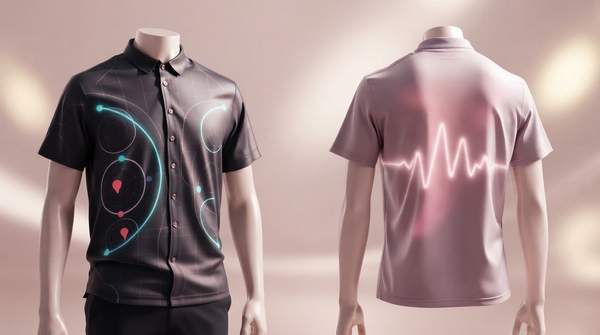
At a recent Paris Fashion Week, a luxury gown embedded with bio-luminescent fibers glowed without electricity, signaling a future where high fashion actively reduces its environmental footprint. This striking display, powered by engineered organisms, radically redefines luxury, embracing biological efficiency and reduced energy consumption over opulent materials.
The luxury fashion sector increasingly integrates sustainable approaches and wearable technology. Yet, the inherent tension between rapid trend cycles and the need for product longevity and circularity remains a significant challenge. This dynamic pits the industry's drive for novelty against foundational environmental stewardship, risking a new tier of 'disposable sustainability' that prioritizes fleeting innovation over genuine durability.
What is Sustainable Wearable Tech in Luxury Fashion?
The global luxury fashion market is projected to reach $381 billion by 2028, according to Bain & Company, with sustainable practices becoming a key differentiator. This growth intersects directly with the wearable technology market, expected to hit $191.8 billion by 2030, according to Grand View Research, with a significant portion focusing on health and environmental monitoring. This convergence defines a new era where luxury is measured by its environmental footprint and technological sophistication, not just craftsmanship.
Digital product passports, enabled by blockchain technology, are being used by the Aura Blockchain Consortium to track a luxury item's lifecycle from raw material to recycling. This system promises enhanced transparency, allowing consumers to verify provenance and environmental claims. Brands like Stella McCartney Innovations are also developing smart textiles using recycled ocean plastics for high-end activewear, demonstrating material innovation. The development of smart textiles by brands like Stella McCartney Innovations redefines luxury through accountability and resource efficiency.
Innovations and Hurdles: The Reality on the Runway
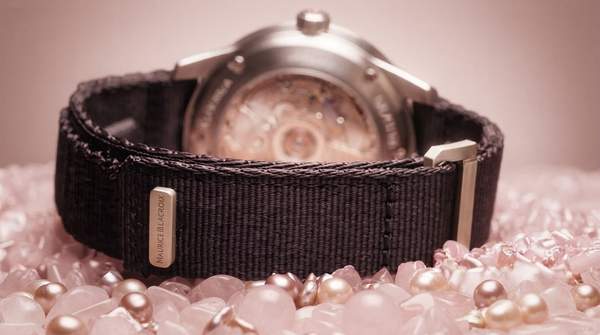
Hermès has invested in mushroom-based leather alternatives through a partnership with MycoWorks, integrating these sustainable materials into watch straps and bags. This move tangibly reduces reliance on traditional animal leathers. Similarly, Ralph Lauren's 'Color on Demand' system aims to reduce water usage in dyeing processes by 90%, according to its Sustainability Report, showcasing technological solutions for resource conservation.