Every luxury wearable on the market today answers to one of two different masters. Either a technology company has invited a fashion house to dress its hardware, or a traditional luxury house has invited technology into its own designs. The Apple Watch Hermès and the Montblanc Summit both sit at the high end of the market, yet they embody opposite strategies—one leads with features and borrows prestige, the other leads with heritage and borries capability. Understanding which origin story a product tells is the fastest way to predict its design priorities, its feature set, and how gracefully it will age.
The Blurring Lines: Tech-First vs. Fashion-First Luxury Wearables
The luxury wearable category has consolidated around two strategic approaches, and the distinction is visible in who initiates the product. In the first, technology companies partner with luxury fashion houses to elevate the aesthetic appeal of devices they already engineer. In the second, traditional luxury brands integrate technology into their existing product lines while preserving a classic design language. This categorization reflects observed brand partnerships and product positioning rather than explicit declarations of strategy by the brands themselves, but the pattern is consistent across the market's most recognizable names.
The stakes of the distinction are practical, not merely taxonomic. A tech-first product inherits its parent company's pace of software updates and feature development, with fashion layered on top. A fashion-first product inherits its house's design codes and materials culture, with technology treated as an added feature. Neither approach is inherently superior; they simply optimize for different definitions of value, and they fail in different ways.
Luxury Wearables: Tech-First vs. Fashion-First Approaches
The framework below categorizes the two dominant strategies across design priority, brand identity, and the compromise each one asks the owner to accept. Use it to place any luxury wearable you are considering into one of the two camps before evaluating its specifics.
| Approach | Primary Focus | Example Products | Key Trade-off |
|---|---|---|---|
| Tech-First, Fashion-Forward | Advanced technological features and functionality, complemented by designer aesthetics | Apple Watch Hermès | Technology is the core driver; the luxury element is an aesthetic layer, so the device follows the tech product's lifecycle |
| Fashion-First, Tech-Integrated | Luxury design, quality, and brand heritage, with technology as an added feature | Montblanc Summit; Louis Vuitton Tambour | Design and heritage lead; technological capability is subordinate to the house's established codes |
| Discreet Wellness Alternative | Health monitoring without a smartwatch's visual bulk | Oura Ring (Generation 3) | Minimal form factor limits the interface; value rests entirely on sensor data rather than display or styling |
Read across the rows and the pattern emerges: the closer a product sits to a technology company's core roadmap, the more its long-term value depends on that company's update cycle; the closer it sits to a fashion house's atelier, the more its value depends on the durability of the design itself.
Tech-First, Fashion-Forward: Collaborations for Enhanced Style
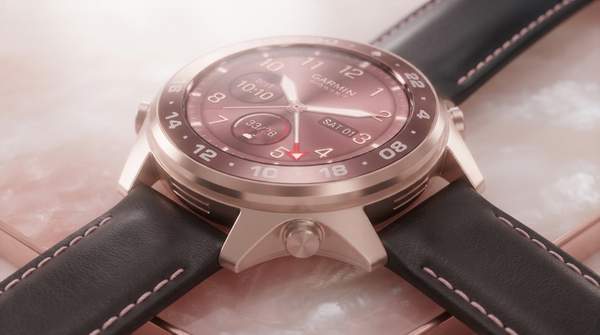
The Apple Watch Hermès is the category's defining example of a technology company borrowing fashion credibility. Apple unveiled the collaboration with the French luxury house as an ongoing partnership that began in 2015, bringing what JustLuxe's guide describes as "a chic, nautical-inspired touch" to the watches, with wristbands in deep shades of blue and red. Crucially, the bands are crafted from waterproof, textured knit materials in Hermès' own ateliers—the fashion house contributes genuine craftsmanship, but to an accessory layer rather than the device itself.
The arrangement illustrates the tech-first bargain precisely. The owner receives cutting-edge functionality wrapped in a designer identity, but the watch beneath the Hermès band remains an Apple Watch, subject to the same generational replacement rhythm as any other. The luxury is real; it is simply applied to the strap, not to the silicon.
Fashion-First, Tech-Integrated: Heritage Brands Embrace Innovation
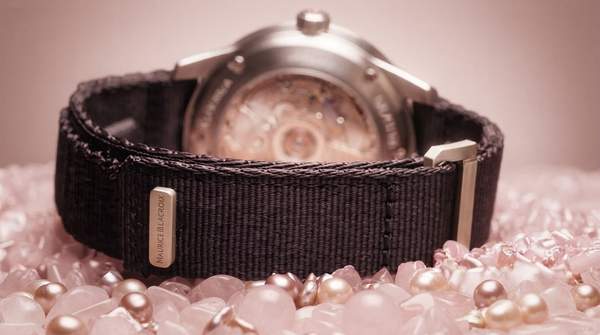
The opposite approach belongs to the traditional houses. The RealReal's market overview notes that while TAG Heuer has thoroughly entered the luxury smartwatch market, other brands—including Louis Vuitton and Montblanc—offer their own well-designed alternatives to more utilitarian smartwatch options. The Montblanc Summit line combines a classic watch design in black, silver, or gold with customizable apps and features: the silhouette reads as a conventional luxury watch first, and a smart device second.
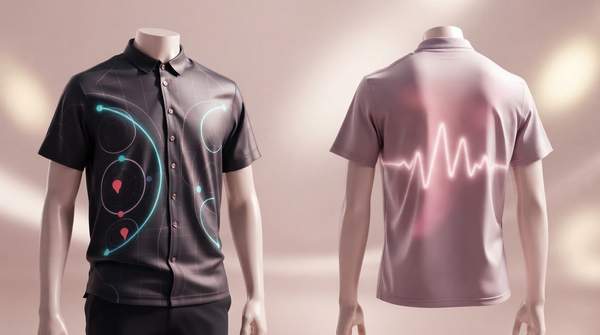
Louis Vuitton's Tambour line tilts even further toward fashion, offering a wide variety of eye-catching styles and colors for shoppers to choose from. Here the technology serves the wardrobe rather than the reverse. The same fashion-led logic extends beyond watches: Flush the Fashion points to Louis Vuitton's wireless earphones—status symbols delivering high-quality audio in a stylish package—and the Ralph Lauren PoloTech Shirt, which pairs tech-driven fitness insights with luxury styling. In each case, the house's identity governs the product; the technology must fit inside it.
The Oura Ring: A Discreet Blend of Wellness and Design
The Oura Ring charts a third path that sidesteps the watch format entirely. Oura, a Finnish health tech company, reached its Generation 3 wearable equipped with advanced sensors that track heart rate, body temperature, and sleep patterns, and can even predict the wearer's next period. The ring is water-resistant up to 330 feet, making it suitable for swimming or bathing, according to JustLuxe's product guide.
What makes the Oura relevant to a luxury discussion is its restraint. Rather than announcing itself on the wrist like a smartwatch, it delivers intimate health data in a form factor that reads as jewelry. It represents discretion as a luxury value: the owner gains continuous biometric insight without wearing visible technology at all. The trade-off is that its entire worth is bound to its sensors and the company's software—there is no heirloom case or designer band to outlive the electronics.
Navigating the Challenges: Obsolescence, Privacy, and Durability
Whichever approach you choose, the same structural tensions follow the purchase. The first is the collision between luxury's ideal of permanence and technology's rapid obsolescence. As Flush the Fashion observes, many wearable devices currently have a limited lifespan, needing to be replaced every few years—a reality fundamentally at odds with the expectation that a luxury purchase endures. Increasing durability, the same commentary argues, is essential for sustainability.
The second tension is durability in daily use: balancing ruggedness against comfort so a device can withstand wear and tear while remaining wearable all day. The third is privacy. These devices collect heart rate, sleep patterns, movement, and even emotional responses—a wealth of personal information, as SELVANE's editorial on fashion and function puts it. Who has access to that data, and how it is used, are questions Flush the Fashion flags as paramount for responsible use. A luxury price tag does not exempt a device from any of these concerns; if anything, the more intimate and continuous the monitoring, the higher the stakes.
Making Your Choice: Prioritizing Permanence or Performance
When investing in a luxury wearable, decide whether your priority is timeless aesthetic appeal and brand heritage, or cutting-edge technological functionality and features, acknowledging the inherent trade-offs in longevity and data management. Neither camp wins outright: the Hermès-banded Apple Watch will age like consumer electronics, while the Montblanc Summit will trail the feature frontier. Before purchasing, check the product's brand origin (tech company collaboration vs. traditional luxury house) and its stated primary value proposition (design vs. features)—that single pair of indicators will tell you which compromise you are actually buying, and whether it matches what you intend to keep on your wrist, or your finger, for years to come.
Sources
- The Ultimate Guide to High-End Wearables for Wellness and Style — JustLuxe
- Luxury Fashion and Technology: The Future of Wearables — The RealReal
- How Wearable Tech is Blending Fashion with Life-Saving Innovation — Flush the Fashion |
- Luxury Wearable Tech: Fashion Meets Function — SELVANE