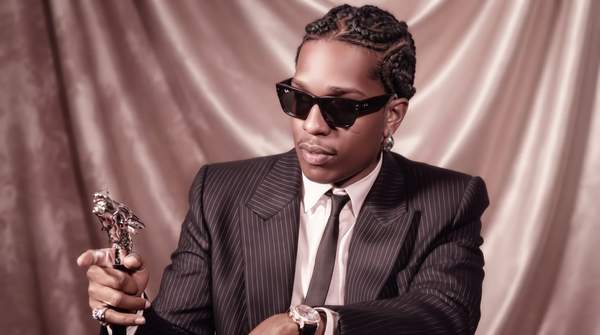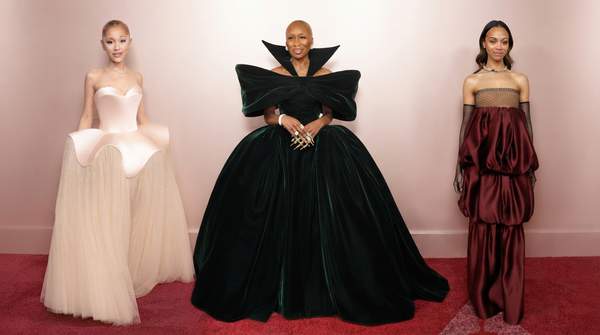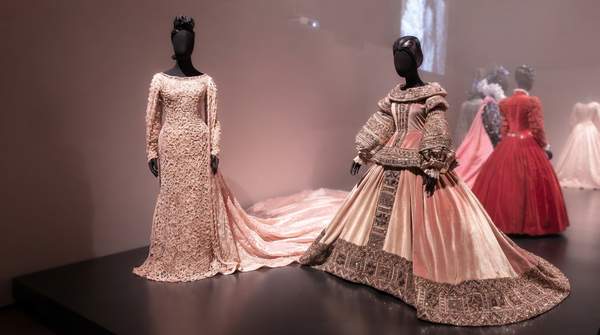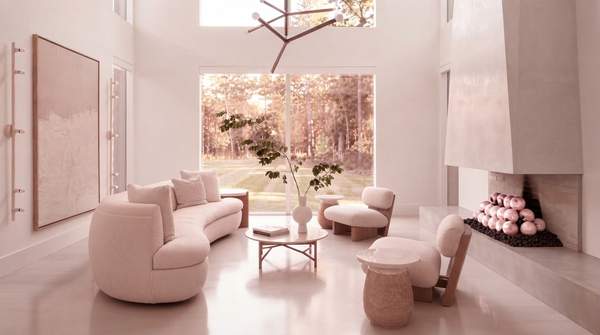
Quiet luxury is a fashion aesthetic built on understated elegance: high-quality materials, timeless silhouettes, muted colors, and a deliberate absence of visible logos. Where loud luxury shouts a brand name from across the room, quiet luxury whispers it to those trained to hear. The distinction is not just stylistic but psychological—two different ways of communicating status, driven by two different motivations.
What is Quiet Luxury?
The term describes an aesthetic of dress and consumption characterized by understated elegance, high-quality materials, and timeless styling, with no visible logos or other open markers of wealth. It is sometimes equated with "stealth wealth" or "old money style," but the usage differs in ways that matter. Stealth wealth implies hiding money; quiet luxury signals it discreetly. That distinction, drawn in the most-cited definition of the term, is the key to understanding the whole phenomenon: the quiet luxury dresser is not concealing affluence but communicating it to a select audience.
As one fashion commentator put it, the approach reflects "a more mindful way of consuming fashion—choosing fewer, better pieces that elevate everyday style without excess." It is closely linked to minimalism and the idea that true style does not need to be announced. The look projects wealth through subtle details and premium materials rather than through branding, and it rewards a discerning eye.
The Aesthetic Principles of Quiet Luxury
The first principle is material. Quiet luxury relies on superior fabrics—cashmere, silk, wool, fine cotton, and linen—chosen because they look elegant, last longer, and feel refined against the skin. The tactile experience is the point: quality you can feel but not necessarily see from a distance.
The second principle is design. Instead of fast-changing trends, the aesthetic favors classic silhouettes: tailored blazers, structured coats, and clean-cut trousers that remain relevant year after year. Muted colors dominate—neutrals, earth tones, classic shades—with monochromatic looks, wearing different shades of the same color, as a signature technique for a sleek, sophisticated appearance.
The third principle is restraint in branding. Quiet luxury brands manufacture products marketed without any logos or with low-key logos, made in muted colors and sustainable materials. Craftsmanship and perfect tailoring carry the message that a monogram would otherwise do.
Quiet vs. Loud Luxury: A Comparative Framework
The clearest way to distinguish the two aesthetics is to place them side by side across the dimensions that actually define them. The table below contrasts them across branding, materials, design, motivation, and historical precedent.
| Dimension | Quiet Luxury | Loud Luxury |
|---|---|---|
| Branding & Logos | No visible logos or subtle branding; wealth communicated through subtle details and premium materials, recognized by a discerning eye. | Conspicuous logos and visibly splashed brand names—Balenciaga jackets, Chanel belts, Louis Vuitton monogrammed bags—aimed at instant recognition. |
| Materials & Craftsmanship | Cashmere, silk, wool, and fine leather; emphasis on exceptional craftsmanship and perfect tailoring. The focus is tactile experience, durability, and quality over quantity. | Often uses quality materials, but the primary communication is brand recognition, which may overshadow material focus. |
| Design & Silhouette | Understated elegance, timeless styling, classic cuts, muted palettes. Designs transcend fleeting trends, prioritizing longevity and versatility. | Seasonal trends, bold statements, and designs intended for immediate recognition; rejects time-honored design in favor of current fashion vagaries. |
| Consumer Motivation | Inconspicuous consumption; signaling to peers ("if you know, you know"); valuing longevity and sustainability; avoiding overt status displays. | A strong desire to signal status and wealth conspicuously, often regardless of actual wealth; aims for broad recognition. |
| Historical Precedent | Understated elegance has long been associated with "old money" restraint and time-honored design traditions. | Tied to the rise of logo-driven branding and seasonal fashion cycles of contemporary luxury houses. |
The framework works as a diagnostic tool: to categorize a garment or brand, ask where it sits on each row. A cashmere coat with no logo and a classic cut scores quiet; a monogrammed bag designed to be recognized across a room scores loud.
The Psychology Behind Quiet Luxury: Consumer Motivations
Several studies found that perceived social status and status anxiety predict the preference for brand prominence. Consumers with a stronger desire to signal status, regardless of their actual wealth, are more likely to prefer conspicuously branded luxury products. Conversely, wealthy consumers with little need for status signaling tend to prefer inconspicuous luxury goods with subtle branding or no logo at all.
This is where the "if you know, you know" dynamic comes in. Quiet luxury brands cultivate exclusivity by appealing to consumers who want to project stealth wealth through subtle branding—signaling not to the broadest possible audience, but to a discerning few who can recognize quality without a label. It is signaling, but of a selective, peer-directed kind.
Values play a role too. Millennials and Gen Z consumers place greater emphasis on sustainability when making luxury purchase decisions, and mature luxury consumers are increasingly valuing longevity as a new status symbol, according to analysis from EHL's Florent Girardin. The aesthetic's rejection of seasonal fashion mirrors the "buy less, buy better" ethos of conscious consumption: fewer, better pieces chosen for how they are made, not just how they look on the surface.
Historical Echoes of Understated Elegance
Quiet luxury is not an invention of the 2020s. Its ethos—understated elegance, superior craftsmanship, timeless styling—echoes older traditions of dress associated with "old money" restraint, a connection reflected in the aesthetic's frequent nickname. The recent surge in visibility has identifiable triggers: Google Trends data shows a dramatic increase in searches for "quiet luxury" and related terms following the airing of the final season of HBO's Succession, which put stealth-wealth dressing in front of a mass audience.
Commentators also suggest economic context matters. In times of wider economic downturn, the affluent tend to shy away from wealth signifiers, favoring muted luxury instead—a cyclical pattern in which ostentation gives way to discretion when displaying wealth feels imprudent.
Identifying Quiet Luxury: A Practical Takeaway
To identify quiet luxury, focus on the absence of overt branding, the tactile quality of materials, the timelessness of the design, and the subtle sophistication of the overall aesthetic. The measurable indicator is simple: the presence of high-quality, durable fabrics in classic, unbranded garments that prioritize craftsmanship over flashy logos. A garment that passes that test belongs to the quiet tradition; one that depends on a logo being seen from across the street belongs to the loud one.