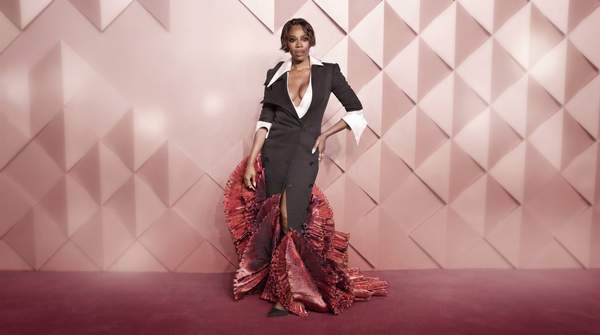
Last year, a single dress from Nairobi-based designer Amiirah Kassem, worn by a Grammy-winning artist, generated more social media buzz than all legacy European brands combined at that same event. I mean, talk about a mic drop! It wasn't just a moment; it was a digital earthquake, showing us where the real power players are emerging in celebrity fashion.
But here's the kicker: established fashion gatekeepers have historically overlooked African talent despite a global appetite for diverse aesthetics. Yet, Kenyan designers are now bypassing these traditional structures, going straight for the jugular to directly influence celebrity style, and honestly, it's about time.
Based on this increasing visibility and strategic market penetration, the global fashion industry is likely to see a significant decentralization of influence, with African design hubs emerging as critical trendsetters rather than mere sources of inspiration. You heard it here first, folks!
Kenyan designers are dismantling Western fashion's gatekeeping power, leveraging social media and celebrity influence to introduce culturally rich aesthetics. This isn't just a trend; it's a takeover. In 2023, searches for 'African print celebrity outfits' on Google Trends surged by 150% globally – a consumer interest I frankly saw coming a mile away. This appetite is mirrored by A-list stylists for Beyoncé and Rihanna, who increasingly feature Nairobi-based labels in major red-carpet events and music videos, according to the Hollywood Reporter. This isn't just about visibility; it's about value: the average price for a bespoke celebrity gown from a leading Kenyan designer has risen 40% in two years, as noted by Fashion Business Africa. This isn't just about pretty clothes; it's about economic power.
The Unmistakable Rise of Authentic Narratives
Kenyan designers aren't just making clothes; they're telling stories. They weave traditional Maasai beadwork or Kikuyu patterns into distinct aesthetics, resonating with celebrities craving unique cultural expression, as Vogue Africa reports. Forget stuffy fashion weeks: platforms like Instagram and TikTok give designers such as Katungulu Mwendwa a direct line to international stylists and celebrities, according to a Social Media Analytics Firm. Beyond aesthetics, collaborations between Kenyan artisans and designers prioritize ethical sourcing and community empowerment, appealing directly to celebrity values, notes the Ethical Fashion Report. The 'Made in Kenya' label now signifies craftsmanship and storytelling, a stark contrast to mass-produced luxury, says a Luxury Brand Consultant Interview. This commitment to authenticity and ethics offers a compelling alternative to the often-homogenous offerings of established luxury brands. It's like comparing a bespoke suit to something off the rack.