A global movement is quietly reshaping the landscape of high fashion, shifting the definition of luxury from a label on a garment to the story woven into its threads. Across continents, a new generation of artisan-led designers is building brands centered on a powerful trinity of values: preserving cultural heritage, championing sustainable production, and fostering community empowerment. This approach offers a compelling alternative to the established industry, one that honors the past and invests in a more equitable future. While these creators face significant systemic hurdles, their work proposes a new vision of luxury—one defined by authenticity, responsibility, and human connection.
The Artisan Luxury Framework
The rise of artisan-led luxury is not a fleeting trend but a coherent new model for the industry. It operates on a set of shared principles that connect designers from diverse backgrounds, whether they are working with weavers in South Africa or milliners in New York. This framework can be understood through three core pillars that, when combined, provide a diagnostic tool for identifying and appreciating this new wave of design. These pillars—cultural preservation, sustainable production, and community empowerment—redefine what makes a product truly valuable in the modern era.
Pillar 1: Preserving Cultural Heritage and Storytelling
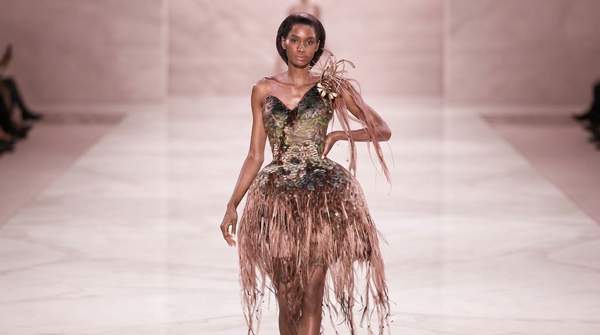
At the heart of this movement is a deep commitment to cultural sustainability, which seeks to rectify historical biases by recognizing the importance of diversity, inclusion, and respect for communities and their material cultures. These designers act as cultural custodians, ensuring that traditional craftsmanship is not just preserved but celebrated as a vital part of contemporary design. Taefeek Abijako, the creative force behind Head of State, infuses his collections with his Nigerian heritage and inspiration from literature, creating what has been described as a harmonious blend of tradition and modernity. This approach directly counters the damaging effects of cultural appropriation, where designs are borrowed without understanding or respecting their significance.
Instead of appropriation, these designers pursue responsible artistic exchange. Collaborations like the one between luxury brand Valentino and Maasai women in Kenya integrate intricate, traditional beadwork into modern collections, giving artisans a global platform to share their stories and heritage. It is a model built on partnership, not extraction. As one designer working with South African artisans explained to Luxury Tribune, the goal is to “preserve traditional techniques such as beading and weaving, infusing them into contemporary designs.”
Pillar 2: Championing Sustainable and Ethical Production
The ethos of artisanal luxury is intrinsically linked to sustainability and ethical production. Many designers in this space prioritize eco-friendly practices, using locally sourced, organic materials and adhering to fair trade principles. This stands in stark contrast to the fast fashion model, which has contributed to the decline of local craftwork and raised significant environmental and ethical concerns. The focus, as reported by PBS NewsHour, is on restoring value to the process of creating with "time, love and passion." This commitment resonates with a growing consumer consciousness.
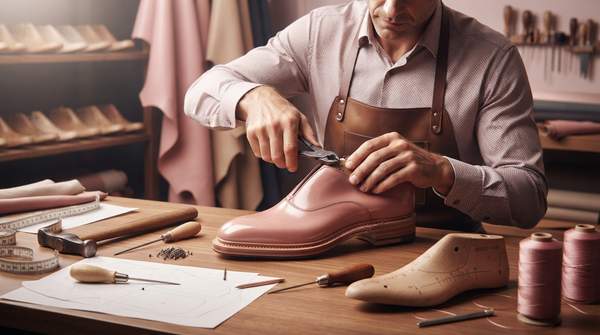
As the fashion industry faces scrutiny, many people are increasingly focused on ensuring the garments they buy "didn't infringe on anyone's rights, that they are not going to pollute the landscape." By championing responsible consumption habits and reducing environmental waste, these artisans are working to reshape the industry from the ground up. In New York, milliner Gigi Burris O'Hara sources her materials locally for her handmade hats. Seeing the craft decline, she started a nonprofit, Closely Crafted, to inspire young talent and help revive a once-thriving local industry, demonstrating a proactive approach to building a more sustainable fashion ecosystem.
Pillar 3: Fostering Community Empowerment and Economic Impact
Beyond creating beautiful objects, this movement serves as a powerful engine for social and economic change. By building their production models around local artisan communities, designers create sustainable income sources and revitalize traditional industries that are often at risk of disappearing. Nigerian designer Kenneth Ize’s decision to establish his factory in Lagos provides a clear example of this principle in action. According to a report in Magslick, his work extends "far beyond the realm of fashion, serving as a catalyst for social and economic empowerment in Nigeria and beyond" by creating tangible opportunities for local artisans and fostering community growth.
This model is built on what Rebecca Hui, founder of Roots Studio, calls "fair partnerships." Her organization connects indigenous artists with fashion brands through textile design licensing, ensuring that communities with rich artistic heritages can generate a sustainable income while popularizing and preserving their traditions. This transforms the relationship between designer and artisan from one of simple production to a collaborative and mutually beneficial partnership. It ensures that the people whose culture informs the designs are also the ones who benefit from their success, both financially and through the preservation of their craft.