
Priya Sharma
Editorial byline
Priya Sharma is an editorial byline for The Glossy Times, with a focus on Ingredient Deep-Dives, Cosmetic Science Innovations, Beauty Brand Transparency and Ethics. Biographical credentials and external profiles are published only after verification.
Learn more about our editorial process and use of automation in our AI & Automation disclosure.
Coverage Areas
Latest Articles
Ceramides, Hyaluronic Acid, and Peptides: How Skincare Ingredients Actually Support Your Skin Barrier
Understand how ceramides, hyaluronic acid, and peptides support your skin barrier by fulfilling distinct roles: structural lipids, hydrators, and signaling molecules. This knowledge empowers informed skincare choices for optimal barrier health.
Nov 6, 2026 · 5 min read

Why Some Perfumes Last Longer: The Three-Factor Science of Sillage and Longevity
Fragrance longevity is determined by three key factors: the intrinsic properties of scent molecules, the perfume's formulation and concentration, and the wearer's unique skin chemistry. Understanding this interplay helps explain why scents perform differently on individuals and debunks the myth that concentration alone dictates lasting power.
Nov 1, 2026 · 5 min read
Why a Citrus Perfume Fades Faster Than a Woody One: The Chemistry of Longevity and Sillage
Fragrance longevity and sillage are primarily determined by the molecular weight and volatility of ingredients, not just concentration. Lighter molecules like citrus evaporate quickly, while heavier woody or resinous molecules release gradually, impacting how long a scent lasts and its trail.
Oct 29, 2026 · 4 min read
How Perfumes Are Formulated to Last: The Two Strategies Behind Long-Lasting Scent
Perfume longevity is engineered through two main strategies: selecting inherently tenacious ingredients, especially base notes, and employing advanced formulation technologies like fixatives and microencapsulation to control evaporation. Understanding these pillars helps fragrance enthusiasts make informed choices beyond just oil concentration.
Oct 28, 2026 · 5 min read
Biomimetic Skincare Explained: How Mimicked Molecules Signal, Repair and Replenish the Skin
Biomimetic skincare formulates with ingredients that copy the skin's natural molecules to work harmoniously with its biology. This approach utilizes two primary mechanisms: signaling ingredients prompt skin repair, while replacement ingredients restore lost structural components like lipids.
Oct 28, 2026 · 4 min read
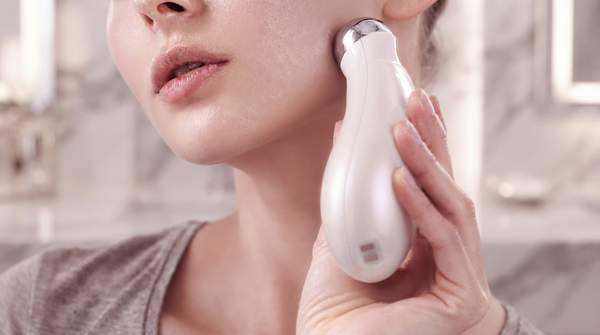
At-Home Beauty Devices Compared: What the Evidence Actually Says Before You Buy
This article compares at-home beauty devices like RF, microcurrent, and LED, evaluating the strength of scientific evidence versus usage commitment. It guides consumers on how to critically assess efficacy claims and choose a device that aligns with their goals and lifestyle.
Oct 26, 2026 · 4 min read
Three Ways Adaptogens Work on Skin, and Which Botanical Does What
Adaptogens in skincare offer tangible benefits by calming inflammation, strengthening antioxidant defenses, and fortifying the skin barrier. This article explores key adaptogens and their specific actions, guiding you on how to integrate them for enhanced skin resilience and health.
Oct 24, 2026 · 4 min read
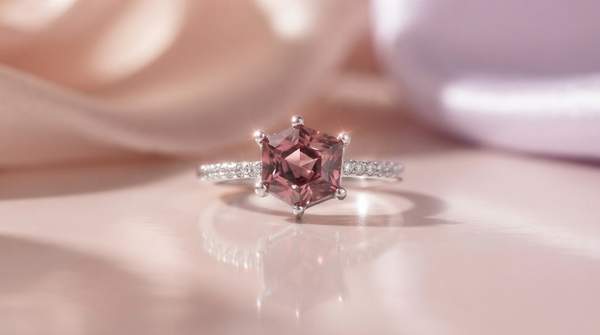
Four Certifications That Separate Ethical Jewelry From Vague Claims
Understanding ethical jewelry certifications is key, as labels like Fairtrade, RJC, and the Kimberley Process verify distinct aspects of sourcing and production. Consumers should match these certifications to their personal ethical priorities for informed purchasing.
Oct 24, 2026 · 5 min read
Structural Mimics vs. Signal Mimics: The Two Sciences Inside Biomimetic Skincare
Biomimetic skincare ingredients function as either structural mimics, which physically replenish the skin's building materials, or signal mimics, which instruct skin cells to behave differently. Understanding this distinction is crucial for selecting ingredients that effectively target specific skin concerns like barrier repair or anti-aging.
Oct 18, 2026 · 4 min read
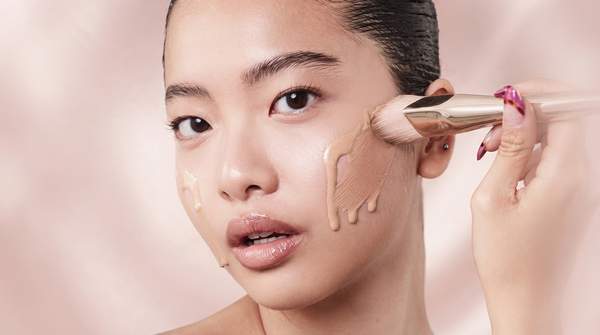
How Long-Wear Makeup Works: The Polymer Film That Keeps Color in Place
Long-wear makeup works by forming a thin, flexible polymer film on the skin that anchors pigments and resists transfer. This film sets as volatile components evaporate, creating a durable finish.
Oct 17, 2026 · 5 min read
Biomimetic Skincare Explained: Structural Mimics, Signal Mimics, and How They Differ From Retinoids
Biomimetic skincare ingredients work by copying the skin's natural molecules and signals, falling into two categories: structural mimics that replenish skin components and functional mimics that signal for repair. This approach differs from traditional actives like retinoids by working with the skin's natural processes.
Oct 16, 2026 · 4 min read
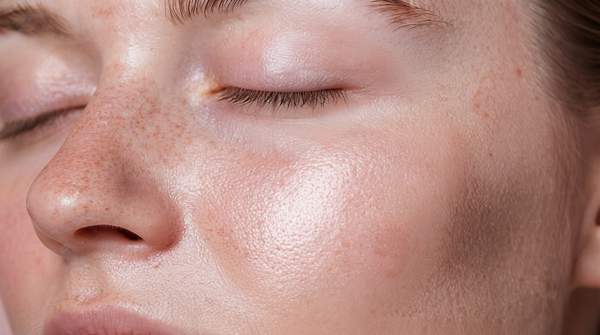
How Ceramides, Cholesterol, and Fatty Acids Rebuild Your Skin Barrier
The skin barrier's integrity relies on a precise balance of ceramides, cholesterol, and fatty acids, acting as the mortar between skin cells. Replenishing these essential lipids topically is key to restoring barrier function, locking in moisture, and protecting against irritants.
Oct 12, 2026 · 4 min read
Beyond the 'Clean' Label: A Science-Based Guide to Skincare Ingredients
The term "clean beauty" is a marketing concept without scientific or regulatory definition, leading brands to define it arbitrarily. Consumers should prioritize ingredient literacy and scientific evidence over marketing claims to make informed skincare choices.
Oct 9, 2026 · 4 min read

How Adaptogens Work in Skincare: The Science of Skin Resilience
Adaptogens in skincare work topically through antioxidant effects, inflammation modulation, and skin barrier support to enhance skin resilience. While promising, current research emphasizes the need for more specific studies on topical efficacy.
Oct 3, 2026 · 4 min read
The Science Behind Anti-Pollution Skincare: How Ingredients Protect Against Urban Stressors
Urban pollutants like PM2.5 and ozone can damage skin by causing oxidative stress, inflammation, and barrier disruption. Anti-pollution skincare utilizes antioxidants, barrier strengtheners, and chelating agents to protect the skin and mitigate these effects.
Oct 2, 2026 · 4 min read

The Molecular Science Behind Lasting Layered Fragrances
Fragrance layering is a scientific endeavor based on the molecular weight and volatility of scent molecules, dictating their evaporation and interaction on skin. Understanding these chemical properties allows for intentional scent combinations to create harmonious, evolving, and long-lasting olfactory experiences.
Oct 1, 2026 · 5 min read

Top 8 Beauty Innovations and Trends Shaping 2026
Rare materials like oud, costing up to €80,000 per liter, are found in luxury perfumes that are selling out within weeks in 2026, outpacing mass-market releases, according to Jomashop .
Sep 11, 2026 · 5 min read

Premium Beauty Brands See Surge in India's Tier II & III Cities
By 2031, premium beauty products are projected to account for nearly a third of India's entire cosmetics market value, a dramatic increase from 20% today.
Aug 29, 2026 · 3 min read

What is Peptide Technology in Anti-Aging Skincare?
In a clinical trial, a line-targeting peptide serum (LTPS) significantly improved expression lines within just fifteen minutes, demonstrating immediate visible results.
Aug 23, 2026 · 5 min read

Niche Segments Fuel Beauty Industry Growth Amidst Broader Stagnation
While the overall U.S. Beauty & Personal Care market experiences minimal growth, prestige beauty alone surged by 7% to $17.1 billion in the first half of 2026, according to Circana . This significant
Aug 12, 2026 · 6 min read